
Utah draws travelers seeking dramatic landscapes - from the red rock canyons near Torrey to the Wasatch Mountain resorts outside Salt Lake City. Choosing the right luxury hotel here means understanding how far properties sit from key national parks, what resort amenities are worth the premium, and which areas balance accessibility with scenery. This guide covers 4 standout options across different Utah regions to help you make a confident booking decision.
What It's Like Staying in Utah
Utah is one of the most geographically diverse states in the American West, home to 5 national parks - Zion, Bryce Canyon, Arches, Canyonlands, and Capitol Reef - all within driving distance of each other. Distances between towns are vast, and most travelers rely entirely on a rental car, as public transport outside Salt Lake City is minimal. Crowd patterns vary sharply by region: the Wasatch Front corridor from Salt Lake City to Provo is densely urban, while southern Utah towns like Torrey or Nephi serve primarily as gateway bases for park visitors.
Travelers who prefer walkable city breaks or rely on public transit will find rural Utah limiting. Around 60% of Utah's tourism concentrates in the national park corridor between April and October, which directly impacts hotel availability and pricing in gateway towns.
Pros:
- Unmatched access to 5 national parks within a single road trip circuit
- Strong variety of terrain - desert, alpine, and canyon - within one state
- Less international overcrowding compared to European or coastal U.S. destinations
Cons:
- A rental car is essential - no meaningful intercity rail or bus network
- Small gateway towns have limited dining and nightlife options after park hours
- Peak season hotel rates in scenic areas spike significantly from March through October
Why Choose Luxury Hotels in Utah
Luxury hotels in Utah don't follow the same formula as urban five-star properties - here, the premium is often justified by resort facilities like indoor pools, hot tubs, and fitness centers that make long days of hiking or skiing more recoverable. In a state where many accommodations are basic roadside motels, 4-star properties with full amenities represent a genuine upgrade in comfort, not just aesthetics. Price differences between standard motels and well-equipped 4-star stays can be significant, but the added value - private bathrooms, climate control, on-site pools - translates directly into trip quality when you're spending full days outdoors.
Room size at Utah luxury properties tends to be more generous than urban counterparts, with several resort-style options offering kitchenettes, fridges, and living areas suited to multi-night stays near national parks. Free private parking is standard at most Utah premium properties, which matters when a rental car is non-negotiable for exploring the region.
Pros:
- Resort amenities like hot tubs, saunas, and indoor pools justify the premium after outdoor activities
- Free parking is consistently included - no added daily charges unlike urban luxury hotels
- Room configurations with kitchenettes and fridges support longer, self-sufficient stays near parks
Cons:
- Luxury options in remote areas like Torrey or Nephi are limited - fewer competitive alternatives
- Some premium-rated properties are set in small towns with limited walkable dining or entertainment
- Availability in gateway areas books out weeks in advance during spring and fall peak seasons
Practical Booking & Area Strategy
For travelers focused on Salt Lake City access and the northern Wasatch region, Lehi and Midway are the most practical bases - Lehi sits along the I-15 corridor with direct freeway access to Salt Lake City (around 48 km north), while Midway offers a quieter mountain setting about 27 km from Park City's ski resorts and galleries. If Capitol Reef National Park or southern Utah is your priority, Torrey is the closest town, positioned directly on Highway 24 at the park entrance - no other gateway town sits closer to Capitol Reef. Nephi functions as a strategic midpoint stop on I-15 between Salt Lake City and southern Utah destinations, making it useful for multi-destination road trips rather than as a primary base.
Book luxury properties in Midway and Torrey at least 6 weeks ahead for spring and fall visits. Park City's proximity to Midway means that ski season (December through March) also creates demand spikes for the area. For Lehi and Nephi, last-minute availability is more realistic outside summer weekends.
Best Value Stays
These properties deliver solid 4-star amenities - pools, free parking, reliable WiFi - at accessible price points, making them the practical choice for road-trippers who need a comfortable base without overspending on accommodation.
-
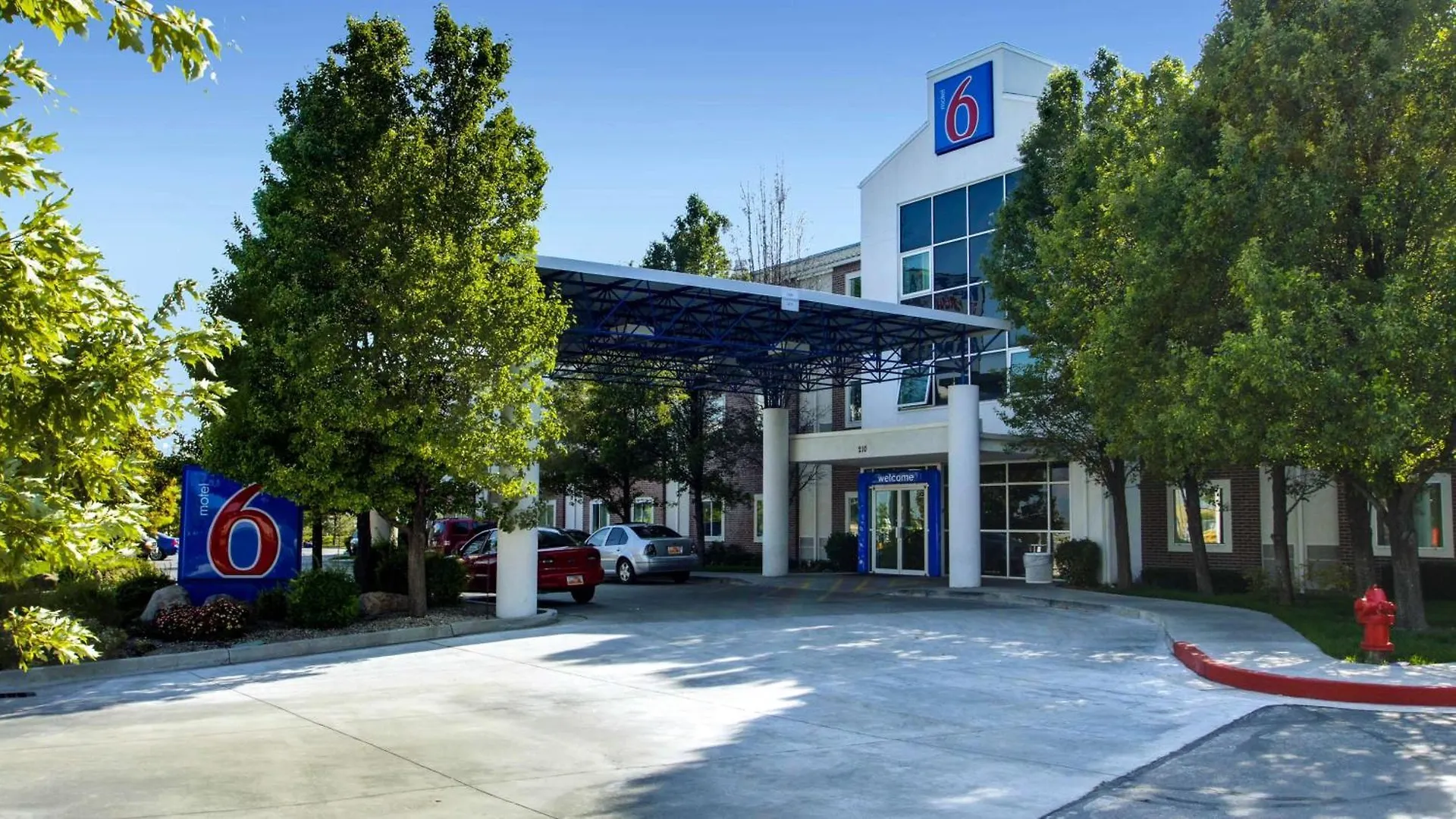
1. Motel 6 Lehi, Ut - Thanksgiving Point
Show on map


 Check-infrom 15:00 until 23:59Check-outuntil 11:00
Just a few rooms left at the best rate!
fromUS$ 60
-
2. Motel 6-Nephi, Ut
Show on map


 Check-infrom 13:00 until 23:59Check-outuntil 11:00
Just a few rooms left at the best rate!
fromUS$ 55
Best Premium Stays
These resort-style properties offer expanded facilities - hot tubs, fitness centers, mountain or canyon settings - that justify a higher nightly rate for travelers who want their accommodation to be part of the Utah experience, not just a place to sleep.
-
3. Worldmark Midway
Show on map


 Check-infrom 16:00 until 23:00Check-outuntil 10:00
Hurry – almost gone at this price!
fromUS$ 152
-
4. Cougar Ridge Resort
Show on map


 Check-infrom 15:00 until 20:00Check-outfrom 07:00 until 11:00
Rooms filling fast – secure the best rate!
fromUS$ 632
Smart Travel & Timing Advice
Utah's peak travel window runs from late March through early November, with the highest concentration of visitors - and prices - during spring (April-May) and fall (September-October) when temperatures in the canyon country are most comfortable for hiking. Summer months in southern Utah, particularly July and August, bring extreme heat in the desert regions around Torrey and Capitol Reef, which deters some visitors but also creates more hotel availability. Midway and the Park City area operate on a different calendar: ski season from December through March generates its own demand spike, and booking 6 weeks ahead for winter stays near Heber Valley is advisable. For the I-15 corridor properties in Lehi and Nephi, flexibility is greater - last-minute bookings are often possible outside summer holiday weekends. Plan for a minimum of 3 nights if combining multiple national park visits from a single base, as driving distances between park entrances are larger than most first-time Utah visitors anticipate.


